
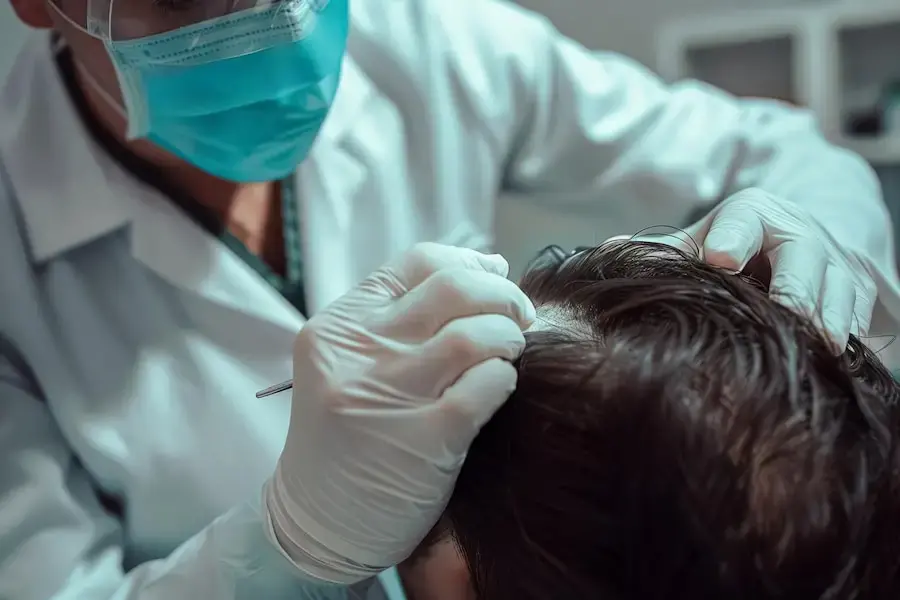
Advanced Alopecia Clinic Gangnam Seoul provides expert dermatologist-led care for all hair loss types. Using PRP, laser, and stem-cell therapy, the clinic offers advanced, personalized solutions that restore hair growth, improve scalp health, and rebuild your natural confidence.
KoreaSkinClinic.net
At Advanced Alopecia Clinic Gangnam Seoul, each treatment begins with a thorough scalp analysis and ends with real, visible results. Combining precision PRP, regenerative stem-cell therapy, and low-level laser technology, our specialists deliver customized solutions that target the root cause of alopecia and promote natural hair recovery.
If you’re searching for expert, evidence-based care for thinning hair or alopecia in Seoul, the Advanced Alopecia Clinic (located in Gangnam) is built around one idea: diagnose first, treat precisely. The clinic combines dermatology-led scalp diagnosis with a portfolio of advanced medical therapies — from PRP and low-level laser therapy to stem-cell approaches and hair transplantation — to create customized, measurable plans for men and women.
Table of Contents

Why Gangnam is a smart place to treat alopecia
Gangnam is Korea’s medical and cosmetic hub where many dermatology and hair restoration centers trial the newest protocols and equipment. Patients benefit from a competitive environment that drives higher standards of diagnostics, technology adoption, and multilingual care — qualities that matter when you want reliable, modern alopecia treatment.
What makes the Advanced Alopecia Clinic different?
1. Dermatologist-led diagnosis
Effective hair-loss care starts with a precise diagnosis. The clinic uses scalp microscopy, trichoscopy, and a detailed medical history (including nutrition, hormones, stress and medications) to determine whether you have androgenetic alopecia, telogen effluvium, alopecia areata, scarring alopecia, or a combination. This step reduces wasted treatments and informs outcome expectations.
2. Evidence-based, multi-modal treatment plans
Rather than a one-size-fits-all protocol, the clinic builds layered plans that may include:
- Topical and oral medications (clinically indicated minoxidil, finasteride alternatives for women, etc.)
- PRP (platelet-rich plasma) to stimulate follicles and improve scalp micro-environment.
- Low-level laser therapy (LLLT) to boost follicle function and hair density.
- Hair transplantation (FUE/DHI) for durable restoration of hairline and density when appropriate.
- Stem-cell and regenerative therapies (offered in select programs) aimed at improving scalp regenerative potential.
These options are combined and timed based on diagnosis, age, goals and response.
3. Long-term follow-up and maintenance
Hair restoration is a marathon, not a sprint. The clinic emphasizes measurable follow-ups (photographic and trichoscopic) at 3, 6 and 12 months, plus maintenance regimens designed to sustain gains and limit relapse.
Treatments explained — what you can expect
Scalp assessment & baseline testing
Initial visits include scalp imaging and sometimes blood tests to check iron, thyroid, vitamin D and hormonal influences. This helps catch reversible causes (like telogen effluvium) and tailor nutrition or medical therapy.
PRP therapy
PRP concentrates growth factors from your own blood and injects them into the scalp to encourage thicker hair and reduced shedding. Typical results are incremental — improvements often begin around 3 months and continue over time.
Low-level laser therapy (LLLT)
LLLT is non-invasive and used as an adjunct to other therapies. It can improve hair shaft thickness and support follicle health when used consistently over months.
Stem-cell and regenerative options
Advanced clinics in Seoul are pioneering controlled uses of regenerative medicine for hair loss (for example, cell-based extracts or growth-factor concentrates). While promising, these treatments are still evolving — consult your dermatologist for an evidence-based explanation of risks, benefits and expected timelines.
Hair transplantation
When permanent restoration is the goal and scalp donor hair is available, FUE or DHI transplantation performed by experienced surgeons can recreate a natural hairline and density. Transplant planning is individualized and often combined with medical therapy for optimal results.
Who benefits most from treatment?
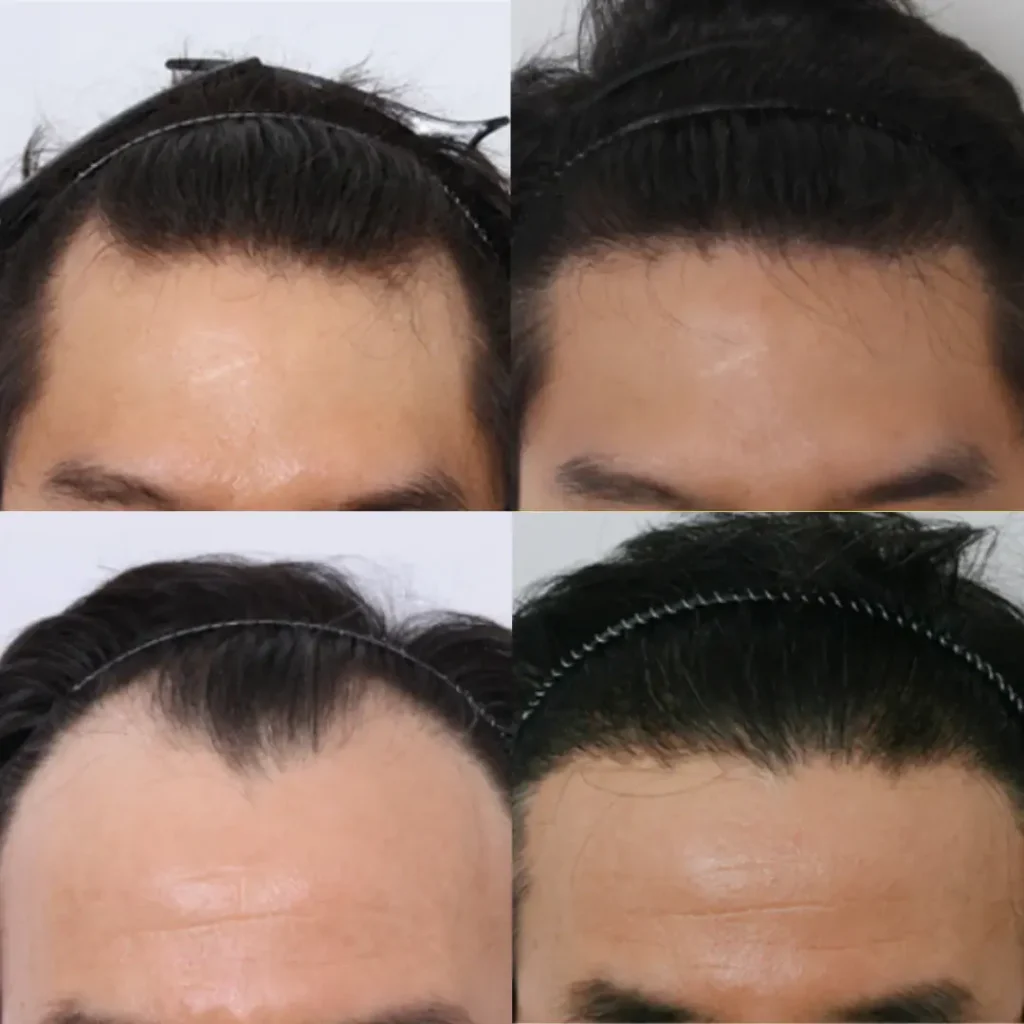
- People with early to moderate pattern hair loss who want to slow progression and thicken existing hair.
- Patients with patchy alopecia areata seeking targeted immunologic therapies plus supportive care.
- Individuals considering hair transplantation who need pre-op stabilization and post-op maintenance.
- Anyone whose hair loss is caused or worsened by nutritional deficiency, thyroid disease or medication — after those conditions are addressed, hair often regrows.
Results timeline — realistic expectations
- Immediate (0–3 months): improved scalp health, reduced shedding for some patients.
- Short term (3–6 months): visible thickening, early regrowth with PRP or medical therapy.
- Long term (6–12+ months): measurable density improvement and maturation of transplanted hair. Full outcomes depend on diagnosis, treatment adherence and individual biology.
Patient journey: from consultation to maintenance
- Book a consultation (online or by clinic contact).
- Complete scalp assessment with trichoscopy and necessary lab tests.
- Receive a personalized plan that explains costs, timeline and expected outcomes.
- Undergo treatment cycles (PRP, lasers, meds) and/or surgery if chosen.
- Regular follow-up with photos and scalp exams to track progress and adapt the plan.
The clinic aims for transparency on cost estimates and recovery expectations during the initial visit.
Safety and regulation
Treatments are administered by licensed dermatologists and surgeons. Advanced clinics in Gangnam follow Korean medical standards for asepsis, consent and patient safety. If considering newer regenerative therapies, ask about published evidence, regulatory status and any available clinical data.
How to choose the right clinic in Gangnam
- Prefer dermatologist-led clinics for medical alopecia (not only cosmetic salons).
- Look for clinics that offer a diagnostic-first approach (trichoscopy, labs).
- Ask about long-term follow-up and measurable outcome tracking.
- Verify that advanced therapies (stem-cell or regenerative approaches) are explained with evidence and realistic expectations.
Conclusion
If you’re in Seoul and ready to address hair loss proactively, schedule a consultation with Advanced Alopecia Clinic in Gangnam to get a diagnostic-driven plan tailored to your needs. Early assessment gives you the best chance to preserve and restore hair with modern, safe approaches. For appointments and current program details, visit the clinic website or contact them directly via their online booking form.

FAQs
What makes Advanced Alopecia Clinic in Gangnam unique?
The clinic combines dermatologist-led diagnostics with advanced PRP, laser, and stem-cell treatments to deliver proven results for all alopecia types in Seoul.
How long until I see results from hair-loss treatment in Seoul?
Most patients notice visible improvement within 3–6 months at our Gangnam alopecia clinic, depending on the treatment plan and scalp condition.
Does the Advanced Alopecia Clinic in Seoul offer PRP therapy?
Yes, PRP therapy is a core treatment that naturally stimulates follicle growth and strengthens existing hair at our Gangnam hair-loss clinic.
Is the clinic suitable for international patients?
Absolutely. The Advanced Alopecia Clinic in Gangnam provides English-friendly consultations and customized hair-restoration programs for global visitors.
How can I book a consultation for alopecia treatment in Gangnam?
Simply visit our official website or call our Seoul clinic to schedule your personalized hair-loss assessment with our specialists.