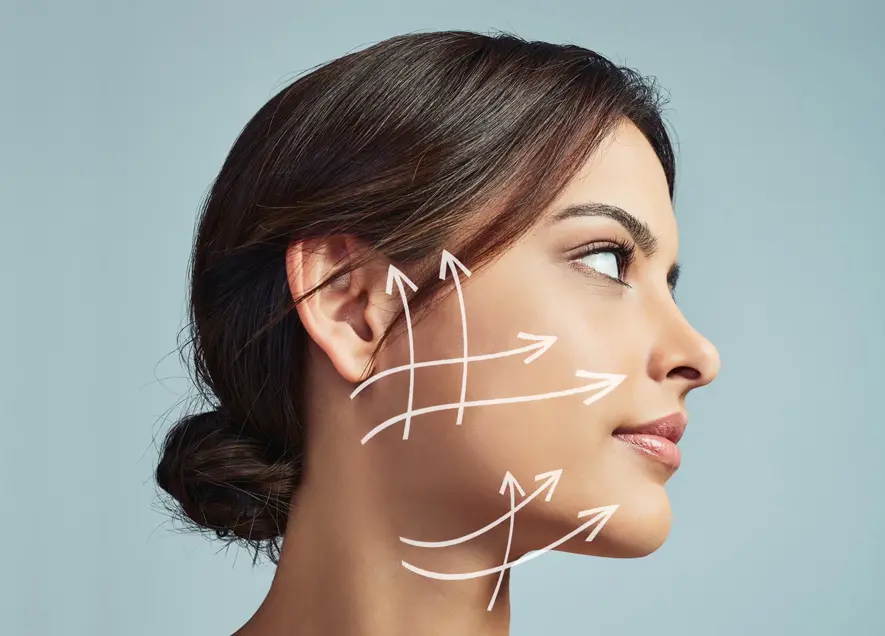
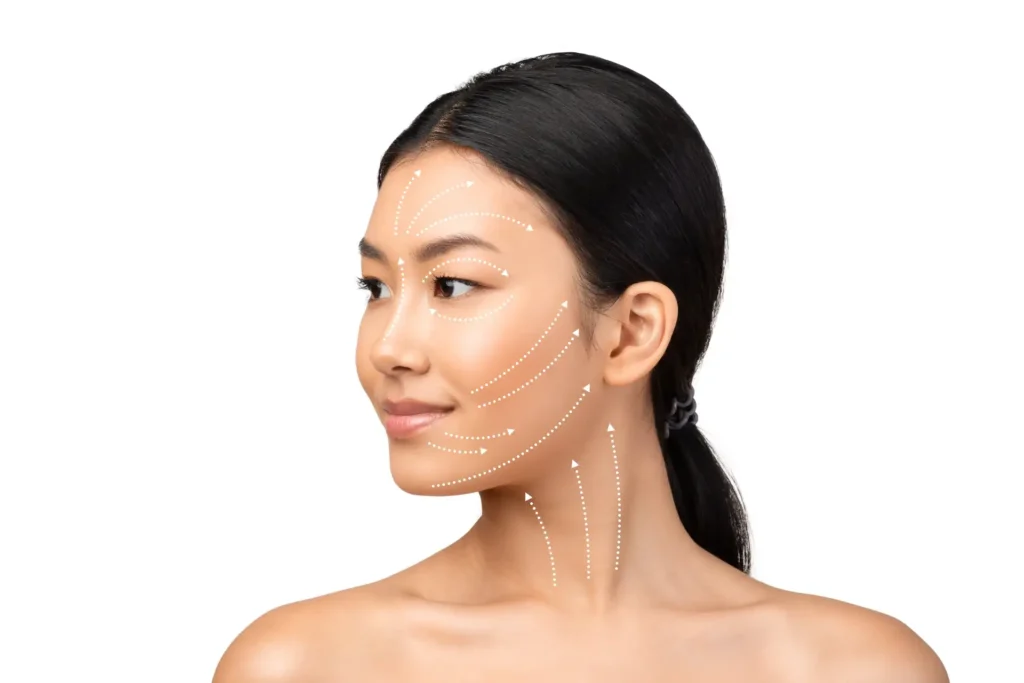
INMODE + Tune Face Lifting in Gangnam Seoul is a non-surgical radiofrequency treatment that tightens skin, reduces lower-face fat, and improves jawline definition. This advanced RF combination stimulates collagen remodeling with minimal downtime, making it a popular 2026 solution for natural facial rejuvenation.
KoreaSkinClinic.net
INMODE + Tune face lifting in Gangnam, Seoul refers to a non-surgical facial contouring and tightening treatment that combines bipolar radiofrequency (RF) technology with precision thermal remodeling to lift sagging skin, reduce lower-face bulk, and improve jawline definition. In 2026, this combination approach is widely used in premium aesthetic clinics in Gangnam to address early-to-moderate skin laxity without incisions, general anesthesia, or extended downtime.
This article provides an evidence-based, clinically grounded explanation of how INMODE and Tune work, who benefits most, expected results, safety considerations, and why Gangnam has become a global hub for advanced RF-based facial rejuvenation.
Table of Contents

What Is INMODE Face Lifting?
INMODE is a medical aesthetic platform that uses controlled bipolar radiofrequency energy to heat subdermal tissue layers. The heat stimulates:
- Collagen contraction (immediate tightening)
- Neocollagenesis (new collagen production over time)
- Adipocyte remodeling (selective fat reduction in certain applicators)
Commonly used handpieces include:
- FaceTite (minimally invasive RF-assisted contouring)
- Forma (non-invasive skin tightening)
- AccuTite (precision treatment for small areas)
- MiniFX (RF-assisted fat reduction)
Mechanism of Action
Radiofrequency energy penetrates below the skin surface and raises tissue temperature to approximately 40–45°C externally and up to 60–70°C internally (depending on modality). This controlled thermal injury:
- Contracts existing collagen fibers
- Stimulates fibroblasts
- Promotes gradual dermal remodeling over 3–6 months
This mechanism is supported by peer-reviewed dermatologic literature on RF-induced collagen remodeling (e.g., studies published in Dermatologic Surgery and Lasers in Surgery and Medicine).
What Is Tune Face Lifting?
In Gangnam aesthetic practice, “Tune” typically refers to a high-frequency RF-based lifting and contouring protocol customized for Korean and Asian facial anatomy. While the exact device branding may vary by clinic, Tune protocols focus on:
- Lower face tightening
- Double chin reduction
- Nasolabial fold improvement
- Jawline sharpening (V-line effect)
The Tune approach often emphasizes:
- Multi-depth energy delivery
- Thermal mapping
- Layer-specific fat and dermal targeting
In practice, Tune is frequently combined with INMODE technologies to enhance both fat contouring and skin tightening simultaneously.
Why Combine INMODE + Tune?
Clinical Rationale
In facial aging, two major changes occur:
- Skin laxity (collagen loss)
- Fat redistribution or lower-face heaviness
Treating only skin tightening may not sufficiently improve facial contour. Conversely, reducing fat alone without tightening can worsen laxity.
Combination protocols allow:
- Deep tissue contraction (INMODE FaceTite or MiniFX)
- Surface skin tightening (Forma or Tune RF)
- Improved jawline definition
- Balanced facial proportions
This layered approach aligns with modern aesthetic medicine principles, which treat the face as a multi-compartment structure rather than a single surface layer.
Who Is an Ideal Candidate?
INMODE + Tune is best suited for:
- Adults in their 30s–50s
- Mild to moderate sagging
- Early jowl formation
- Submental fullness (double chin)
- Patients not ready for surgical facelift
- Individuals seeking minimal downtime
Not Ideal For:
- Severe skin laxity requiring surgical lift
- Extremely thin skin with advanced aging
- Patients with certain implanted electrical devices
- Active infections in treatment area
A proper medical consultation, skin analysis, and facial proportion assessment are essential.
What Happens During the Procedure?
Step-by-Step Treatment Process
- Consultation & Facial Analysis
- Assessment of skin elasticity
- Fat distribution evaluation
- Discussion of realistic expectations
- Marking & Anesthesia
- Topical or local anesthesia (depending on modality)
- Energy Delivery
- Deep RF (FaceTite/MiniFX) for contouring
- Surface RF (Forma/Tune) for tightening
- Thermal Monitoring
- Real-time temperature tracking ensures safety
- Post-Treatment Care
- Cooling
- Mild compression if necessary
Downtime and Recovery
- Mild swelling: 2–5 days
- Temporary redness: 1–3 days
- Bruising (if minimally invasive): 5–10 days
- Return to daily life: typically within 24–72 hours
Most Gangnam clinics provide post-care programs including LED therapy or soothing masks to accelerate recovery.
Expected Results Timeline
| Time After Treatment | What Happens |
|---|---|
| Immediately | Mild tightening due to collagen contraction |
| 2–4 weeks | Progressive improvement |
| 3 months | Visible contour refinement |
| 6 months | Peak collagen remodeling effect |
Results typically last 12–24 months, depending on age, lifestyle, and skin condition.
Safety Profile
Radiofrequency treatments have been widely studied and are considered safe when performed by trained medical professionals.
Common side effects:
- Temporary swelling
- Mild tenderness
- Temporary numbness
Rare complications:
- Burns (if improper temperature control)
- Asymmetry
- Prolonged edema
Gangnam clinics generally use thermal monitoring systems to reduce risks significantly.
Why Gangnam, Seoul Is a Global Hub for RF Face Lifting
Gangnam has become internationally recognized for:
- High physician specialization in aesthetic medicine
- Advanced device availability
- Experience treating Asian skin types
- High patient volume → refined treatment protocols
South Korea’s aesthetic industry maintains strong regulatory oversight through the Ministry of Food and Drug Safety (MFDS), ensuring device approval standards.
Many Gangnam clinics combine:
- 3D facial imaging
- AI-based facial symmetry analysis
- Customized energy mapping
This increases precision compared to standardized Western protocols.
How Does INMODE + Tune Compare to Other Lifting Treatments?
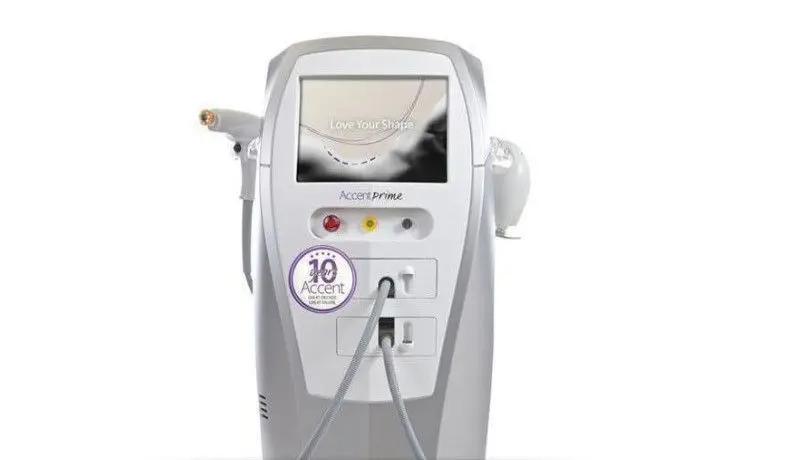
| Treatment | Invasive | Downtime | Best For |
|---|---|---|---|
| Surgical Facelift | Yes | 2–4 weeks | Severe sagging |
| Ultherapy (HIFU) | No | Minimal | Skin tightening |
| Thermage | No | Minimal | Mild laxity |
| INMODE + Tune | Minimal/Non | Low | Fat + tightening combo |
Unlike HIFU (which targets SMAS), RF primarily remodels dermis and subdermal fat. Combination therapy may provide more contouring for lower face heaviness.
Practical Real-World Clinical Scenario
Case Example (Typical Gangnam Patient Profile):
- 42-year-old female executive
- Complains of jawline blurring and mild jowls
- Not ready for surgery
Treatment plan:
- FaceTite for submental area
- Tune RF for lower face tightening
- 1 session
Outcome:
- Noticeable jawline sharpening at 3 months
- Improved lower face firmness
- Returned to work in 3 days
This reflects common clinical practice patterns in Seoul aesthetic clinics.
Risks of Over-Treatment
Excessive RF energy may cause:
- Fat over-reduction
- Hollowed appearance
- Uneven tightening
Experienced practitioners avoid aggressive energy stacking and instead use controlled layered approaches.
Cost Range in Gangnam (2026)
Prices vary based on clinic reputation and device configuration:
- Tune only: approx. $400–900 USD per session
- INMODE minimally invasive: $1,500–3,500 USD
- Combination protocol: $2,000–4,500 USD
International patient packages may include consultation, translation, and follow-up care.
INMODE vs Ultherapy vs Surgical Facelift
| Feature | INMODE Face Lifting (RF) | Ultherapy (HIFU) | Surgical Facelift (Rhytidectomy) |
|---|---|---|---|
| Technology | Radiofrequency (RF) thermal remodeling | High-Intensity Focused Ultrasound (HIFU) | Surgery (excision + tissue repositioning) |
| Primary Target | Dermis + Subdermal adipose tissue | SMAS layer + deeper connective tissue | SMAS + deep tissue + skin |
| Downtime | Minimal–Moderate | Minimal | Significant |
| Anaesthesia | Local ± oral sedation | None | General or deep sedation |
| Optimal for | Mild–moderate laxity & contour refinement | Mild laxity & early aging | Moderate–severe sagging |
| Longevity | ~12–24 months | ~6–12 months | 8–15+ years |
| Immediate Change | Mild–moderate | Minimal | Major |
Final Expert Perspective
INMODE + Tune face lifting in Gangnam represents a modern, layered approach to non-surgical facial rejuvenation. Rather than focusing solely on surface tightening, this protocol addresses:
- Subdermal fat contouring
- Dermal collagen stimulation
- Structural jawline refinement
For patients with early-to-moderate aging who seek natural improvement without surgical downtime, this combination offers a clinically validated, lower-risk alternative.
However, outcomes depend heavily on:
- Physician experience
- Proper energy calibration
- Individual anatomy assessment
- Realistic expectations
Patients should always consult a board-certified aesthetic physician and undergo personalized evaluation before treatment.
FAQs
What is INMODE + Tune Face Lifting in Gangnam Seoul?
INMODE + Tune Face Lifting in Gangnam Seoul is a non-surgical facelift Korea treatment that uses bipolar radiofrequency energy to tighten skin, reduce submental fat, and improve facial contour. Clinics in Gangnam specialize in layered RF techniques for natural, long-lasting results.
How is INMODE lifting Seoul different from a surgical facelift?
INMODE lifting Seoul treatments reshape and tighten using controlled RF heat without incisions, unlike surgery. While surgical facelifts address severe sagging, INMODE + Tune RF face contouring Gangnam is ideal for mild to moderate skin laxity with shorter recovery time.
How long do results from INMODE + Tune Face Lifting in Gangnam Seoul last?
Results from INMODE + Tune Face Lifting in Gangnam Seoul typically last 12–24 months. Collagen remodeling continues for up to 6 months after treatment, especially when combined with Tune RF face contouring Gangnam protocols.
Is Tune RF face contouring Gangnam safe?
Tune RF face contouring Gangnam is considered safe when performed by trained medical professionals. Real-time thermal monitoring reduces risk, and side effects are usually limited to temporary swelling or redness.
Who is the best candidate for non-surgical facelift Korea treatments like INMODE + Tune?
The best candidates for non-surgical facelift Korea treatments are adults in their 30s–50s with early jowls, mild skin laxity, or jawline blurring who want visible improvement without surgery or extended downtime.