
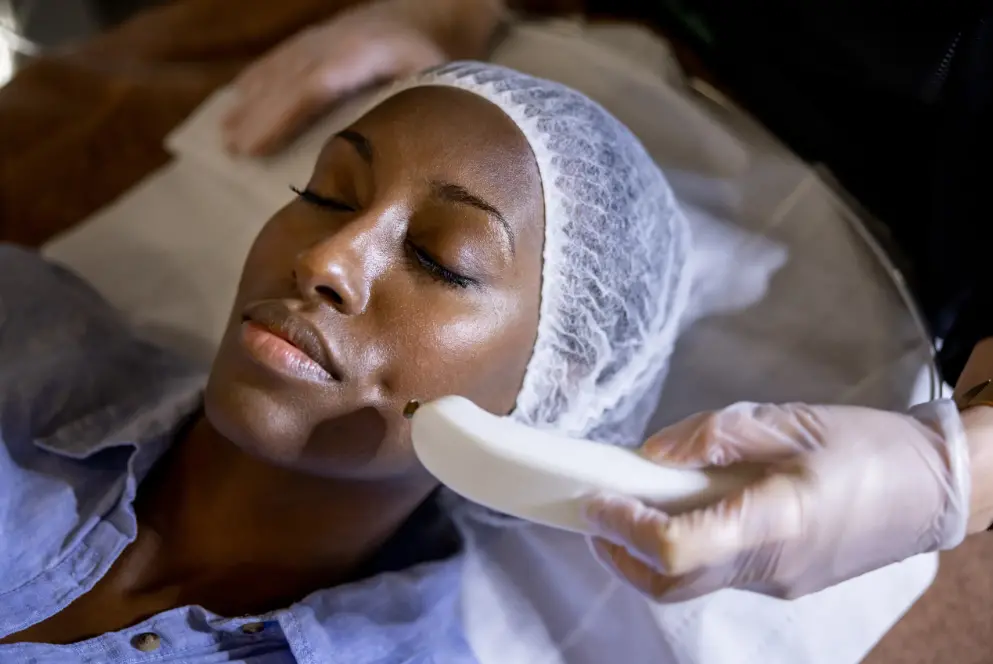

African Americans choose Korea medical tourism because Gangnam dermatology clinics offer advanced skin treatments, experienced physicians, personalized care for skin of color, modern laser technologies, and competitive pricing. Many international patients visit Seoul for acne scar treatment, pigmentation management, anti-aging procedures, and comprehensive skincare programs.
KoreaSkinClinic.net
African Americans are increasingly choosing Korea medical tourism for advanced dermatology treatments, with Gangnam recognized as one of Asia’s leading destinations for cosmetic and medical skin care. From acne scars and hyperpigmentation to anti-aging procedures and customized skincare for darker skin tones, Gangnam dermatology clinics combine experienced specialists, innovative technology, and personalized treatment plans that attract patients from the United States and around the world. This guide explains why Korea has become a trusted destination for skin health and aesthetic medicine in 2026.
Table of Contents

Why Are African Americans Visiting Korea for Dermatology?
South Korea—particularly Seoul’s Gangnam district—has become one of the world’s leading destinations for dermatology and aesthetic medicine. Increasingly, African American patients travel to Korea seeking advanced skin treatments, pigmentation management, acne scar therapy, anti-aging procedures, and personalized skincare programs.
The main reasons include:
- Highly specialized dermatologists with extensive experience in cosmetic medicine
- Access to advanced laser and energy-based technologies
- Comprehensive skin analysis using digital imaging
- Competitive pricing compared with many U.S. metropolitan areas
- Personalized treatment plans that combine multiple modalities
- Efficient treatment schedules suitable for international visitors
Importantly, reputable Korean dermatology clinics recognize that skin of color requires individualized treatment planning. Experienced physicians adjust laser settings, energy levels, wavelengths, and post-treatment care to minimize complications such as post-inflammatory hyperpigmentation (PIH).
Why Gangnam Is Considered Korea’s Dermatology Capital
Gangnam is home to one of the highest concentrations of board-certified dermatologists and cosmetic physicians in Asia.
The district has developed an ecosystem that includes:
- Dermatology hospitals
- Medical research centers
- Laser manufacturers
- Cosmetic pharmaceutical companies
- Medical tourism coordinators
- English-speaking international patient departments
This concentration of expertise allows physicians to remain current with rapidly evolving technologies while treating thousands of cosmetic dermatology patients every year.
Many clinics invest in multiple generations of laser platforms rather than relying on a single device, allowing treatment selection based on individual skin characteristics instead of equipment availability.
Why Skin of Color Requires Specialized Dermatology
African American skin has unique biological characteristics that influence treatment decisions.
Higher Melanin Content
Melanin provides natural UV protection but also changes how the skin responds to:
- Laser treatments
- Chemical peels
- Microneedling
- Heat-based devices
- Inflammation
Higher melanin means improper treatment settings can increase the risk of:
- Hyperpigmentation
- Hypopigmentation
- Uneven skin tone
- Prolonged healing
For this reason, physician expertise is often more important than the laser machine itself.
Common Skin Concerns Among African American Patients
Many international dermatology clinics in Gangnam frequently evaluate patients seeking treatment for:
Acne Scars
Deep acne scars can be difficult to improve with skincare alone.
Treatment may include:
- Fractional lasers
- Radiofrequency microneedling
- Subcision
- Collagen stimulation
- Regenerative therapies
Multiple sessions are typically required.
Hyperpigmentation
One of the most common concerns is uneven pigmentation resulting from:
- Acne
- Inflammation
- Hormonal changes
- Previous skin injury
Treatment plans often combine:
- Prescription topical medications
- Gentle pigment lasers
- Chemical peels appropriate for darker skin
- Medical skincare
Melasma
Although melasma is often associated with women of lighter skin tones, it also affects darker skin.
Management generally requires:
- Strict sun protection
- Topical pigment inhibitors
- Conservative laser use
- Long-term maintenance
Because melasma has a high recurrence rate, physicians typically emphasize maintenance rather than promising permanent removal.
Enlarged Pores and Skin Texture
Many patients seek smoother skin rather than dramatic cosmetic changes.
Combination therapies may include:
- Microneedling
- RF devices
- Fractional resurfacing
- Medical facials
- Customized skincare
Anti-Aging
African American skin often develops wrinkles later than lighter skin because of greater collagen preservation.
However, patients still seek treatment for:
- Volume loss
- Fine lines
- Skin laxity
- Uneven texture
Gangnam clinics commonly combine:
- Collagen stimulators
- Ultrasound lifting
- Radiofrequency tightening
- Injectable treatments
- Medical-grade skincare
Why Korea Is Known for Advanced Dermatology Technology
South Korea is one of the world’s largest adopters of dermatologic laser technology.
Clinics frequently utilize multiple platforms such as:
- Picosecond lasers
- Fractional CO₂ lasers
- Erbium lasers
- Pulsed dye lasers
- Long-pulsed Nd:YAG lasers
- Radiofrequency microneedling systems
- High-intensity focused ultrasound (HIFU)
Rather than relying on one “best laser,” physicians typically select devices based on:
- Skin type
- Pigmentation
- Scar depth
- Downtime preference
- Medical history
This individualized approach is considered best practice.
The Importance of Customized Treatment for Darker Skin
A common misconception is that certain lasers should never be used on darker skin.
Current dermatology evidence shows that many laser systems can be used safely when:
- Appropriate wavelengths are selected
- Conservative energy settings are used
- Test spots are performed when appropriate
- Treatments are spaced correctly
- Strict sun avoidance is followed
- Patients receive proper aftercare
Treatment success depends largely on physician expertise rather than the device alone.
Digital Skin Analysis Before Treatment
Many premium Gangnam clinics begin consultations with comprehensive skin imaging.
This evaluation may assess:
- Pigmentation distribution
- UV damage
- Redness
- Pore size
- Sebum production
- Wrinkle depth
- Skin hydration
These objective measurements help physicians recommend personalized treatment plans rather than standardized packages.
What a Typical Dermatology Journey Looks Like
Step 1: Online Consultation
Patients often submit:
- Medical history
- Skin photographs
- Current skincare products
- Previous procedures
This helps determine whether in-person treatment is appropriate.
Step 2: In-Person Evaluation
The dermatologist evaluates:
- Skin type
- Pigmentation
- Active acne
- Scar depth
- Medical conditions
- Medication use
Treatment priorities are then established.
Step 3: Personalized Treatment Plan
Rather than performing every procedure on the first visit, experienced physicians may recommend staged treatments over several days or future visits.
This approach reduces complications while improving long-term outcomes.
Step 4: Recovery
Recovery varies depending on the procedure.
Examples include:
| Treatment | Typical Downtime |
|---|---|
| Medical facial | Minimal |
| Pico laser | 1–3 days |
| Microneedling | 2–5 days |
| Fractional laser | 5–10 days |
| RF microneedling | 2–7 days |
Recovery timelines vary between individuals.
Cost Advantages Compared with the United States
Although prices vary by clinic and treatment complexity, many international patients report that Korean dermatology procedures are competitively priced compared with major U.S. cities.
Factors contributing to lower costs include:
- High treatment volume
- Competitive healthcare market
- Efficient clinic workflows
- Domestic medical technology industry
Patients should compare overall value rather than price alone, considering physician qualifications, equipment, safety protocols, and follow-up care.
Safety Considerations
Before undergoing treatment, patients should:
- Verify physician credentials
- Confirm experience treating skin of color
- Ask about complication rates
- Request realistic expectations
- Discuss medications and allergies
- Understand aftercare instructions
- Avoid clinics that promise guaranteed results
No cosmetic procedure is risk-free.
Potential complications include:
- Temporary redness
- Swelling
- Hyperpigmentation
- Hypopigmentation
- Infection
- Scarring (rare)
Proper patient selection significantly reduces these risks.
Why International Patients Appreciate Korean Dermatology Clinics
Many visitors describe several practical advantages:
Efficient Scheduling
Many treatments can be completed within a short travel itinerary.
Integrated Care
Some clinics combine:
- Dermatology
- Plastic surgery
- Wellness services
- Medical skincare
- Hair restoration
Modern Facilities
Large dermatology centers often provide:
- Digital consultation systems
- Multilingual coordinators
- Electronic medical records
- Private treatment rooms
Personalized Skincare
Patients frequently receive customized skincare recommendations to maintain results after returning home.
Travel Tips for African American Patients Visiting Korea
Before traveling:
- Schedule consultations several weeks in advance.
- Bring a list of medications and allergies.
- Avoid excessive sun exposure before treatment.
- Plan sufficient recovery time before flying if undergoing resurfacing procedures.
- Follow post-treatment skincare instructions carefully.
- Purchase broad-spectrum sunscreen suitable for darker skin tones.
Why D&A Dermatology Recommends Lifting Treatments for African American Skin
At D&A Dermatology, treatment recommendations for African American patients are centered on safety, individualized care, and natural-looking results. Because melanin-rich skin is more susceptible to post-inflammatory hyperpigmentation (PIH) after certain aggressive laser treatments, our dermatologists often recommend non-pigment-targeting lifting procedures as a first-line option for facial rejuvenation.
Treatments such as Ultherapy®, Thermage® FLX, and InMode® RF stimulate the skin’s natural collagen production without directly targeting melanin. These technologies can effectively improve skin laxity, facial contours, jawline definition, and overall skin firmness, making them well-suited for a wide range of skin tones.
Laser treatments may still be appropriate for specific conditions when carefully selected and performed by experienced physicians. However, for many African American patients seeking anti-aging or skin tightening, collagen-stimulating lifting treatments offer a safe and effective approach while minimizing the risk of pigment-related complications.
Every treatment plan at D&A Dermatology begins with a comprehensive consultation, allowing our specialists to recommend the most appropriate treatment based on each patient’s skin type, medical history, aesthetic goals, and individual needs.
FAQs
Why do African Americans choose Korea medical tourism for dermatology?
African Americans choose Korea medical tourism because many Gangnam dermatology clinics provide advanced laser technology, personalized treatment plans for darker skin tones, experienced dermatologists, and competitive pricing compared with many major U.S. cities. Clinics also emphasize safety and customized care for skin of color.
Is Gangnam dermatology safe for African American skin?
Yes. Reputable Gangnam dermatology for dark skin clinics understand the unique characteristics of melanin-rich skin and customize laser settings, treatment intensity, and aftercare to reduce the risk of hyperpigmentation. Selecting an experienced dermatologist is one of the most important factors for safe outcomes.
What treatments are most popular among African Americans visiting Korea?
Many patients seeking Korea dermatology for African American skin choose acne scar treatment, hyperpigmentation therapy, Pico laser procedures, radiofrequency microneedling, skin rejuvenation, anti-aging treatments, customized medical facials, and collagen-stimulating therapies based on individual skin concerns.
How much does Korea medical tourism dermatology cost compared with the United States?
The cost of Korea medical tourism dermatology is often lower than treatment in many U.S. metropolitan areas while maintaining high medical standards. Actual pricing depends on the clinic, physician experience, treatment complexity, and the number of sessions required for optimal results.
Why is Gangnam considered the best destination for Korea medical tourism dermatology?
Gangnam is widely recognized as the center of Korea medical tourism because it has a high concentration of experienced dermatologists, state-of-the-art laser technologies, multilingual international patient services, and comprehensive skincare programs. These advantages make Gangnam dermatology one of the most sought-after destinations for patients from around the world.
Conclusion
Gangnam has established itself as one of the world’s leading centers for cosmetic dermatology by combining experienced physicians, advanced technology, individualized treatment planning, and efficient care pathways. For African American patients, the primary appeal lies not simply in innovative devices or competitive pricing, but in access to dermatologists who understand the unique characteristics of skin of color and tailor treatment accordingly.
Successful outcomes depend on choosing a qualified clinic, discussing realistic expectations, and following personalized aftercare recommendations. Whether addressing acne scars, pigmentation, skin texture, or early signs of aging, a carefully planned dermatology program can provide meaningful improvements while prioritizing patient safety and long-term skin health.
References
- American Academy of Dermatology (AAD). Laser therapy and skin of color: Clinical guidance (accessed 2026).
- American Society for Dermatologic Surgery (ASDS). Patient safety and laser procedures (2026).
- International Society for Dermatologic Surgery. Evidence-based approaches to cosmetic dermatology (2026).
- Peer-reviewed literature in Journal of the American Academy of Dermatology (JAAD) and Lasers in Surgery and Medicine on laser treatment in skin of color and pigmentary disorders (current through 2026).